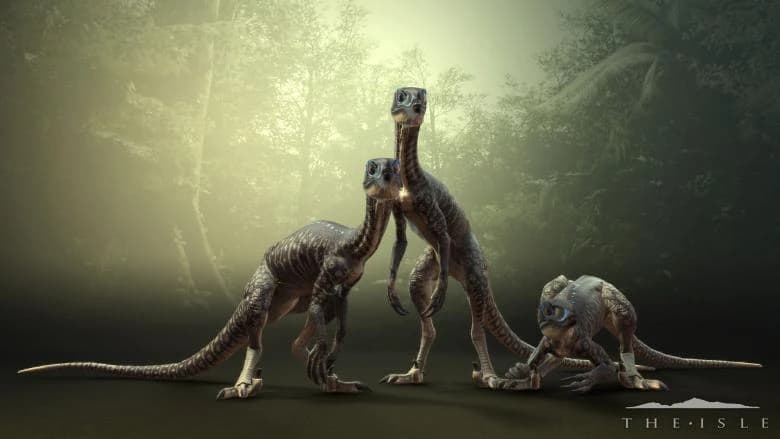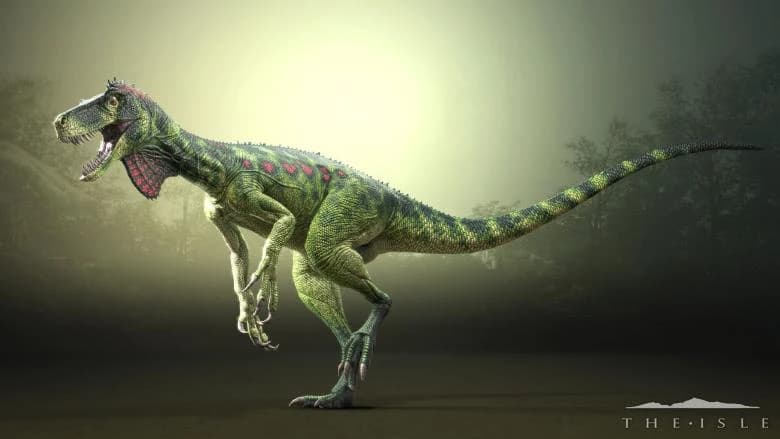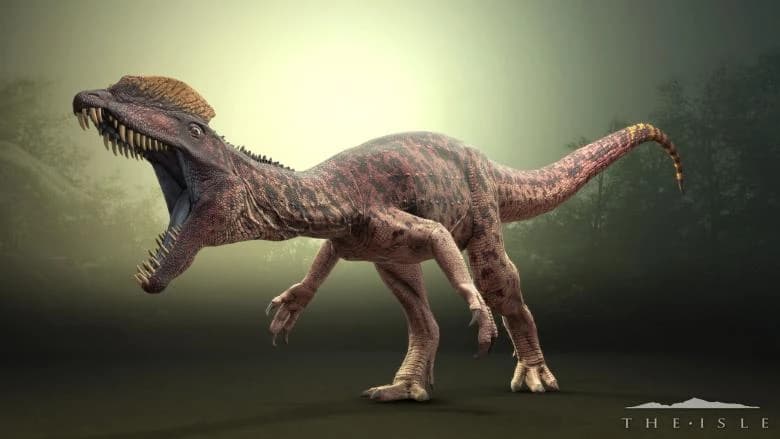
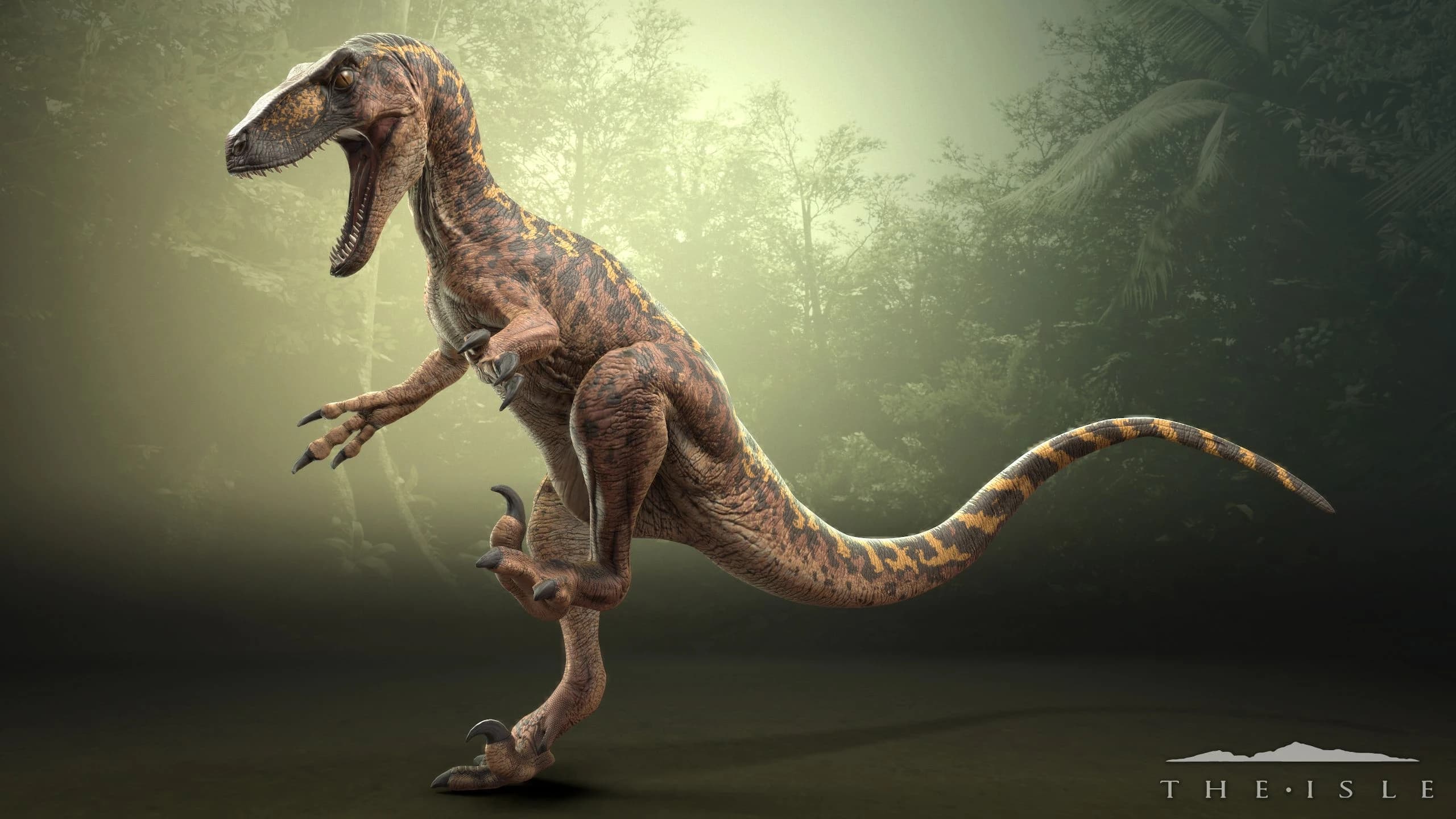
Omniraptor is a coordinated pounce specialist. Current builds allow manual actions while latched, but pounce stamina, slot movement, and bucking behavior remain balance-sensitive.
How to play in 60 seconds
The complete loop, from leaving spawn to knowing when the hunt is over.
- 01
Approach with the pack spread across different angles and agree on which player will make the first commitment.
- 02
Pounce from the side of a distracted target, avoid its strongest defensive arc, and watch stamina while latched.
- 03
Choose flat damage, bleed pressure, or an early dismount based on the target's movement and nearby support.
- 04
Rotate attackers so one raptor recovers while another maintains pressure.
Controls & core tools
Learn what each input is for before trying to combine them in a fight.
Pounce & latch
Launches onto a valid target or pins smaller prey when the angle and size relationship allow it.
Dismount
Ends the latch intentionally before stamina, terrain, or enemy support makes the exit unsafe.
Flat damage
Applies direct damage during a controlled latch.
Bleed damage
Applies bleed-oriented pressure while attached.
Grow without donating your run
Each stage changes how visible you are, what you can contest, and how far you can safely travel.
Use concealment and small prey routes until the full pounce kit is reliable. Pack growth is safest when members stagger feeding and keep watch instead of piling onto one carcass.
- Reference maturity
- Variable — check the live server settings
- Planning principle
- Change your route as size, visibility, and matchup risk change.
Diet & feeding
The in-game diet panel remains the live source of truth.
- Small prey that can be pinned with low risk
- Isolated live-diet targets the pack can approach from multiple sides
- Carrion inspected before the group gathers
- AI used to recover between high-risk hunts
Abilities
Think of these as parts of one hunting loop, not isolated attacks.
Pounce & latch
Creates sustained pressure on a larger target when the approach avoids defensive zones.
Latch attacks
Manual flat-damage and bleed options let the player adapt while attached.
Pack rotation
The real combat engine: alternating attackers preserves stamina and denies the target a clean recovery window.
Weaknesses & counterplay
These are the moments when the correct decision is usually to reset or leave.
- 01
Front or rear defensive zones can deflect or punish a pounce
- 02
Low stamina makes the dismount predictable
- 03
Uncoordinated packs collide and share recovery windows
- 04
Water, foliage, and tight obstacles can end a latch badly
Field strategy
Use this checklist before, during, and immediately after an encounter.
- 01
Call the first pouncer before the pack enters range
- 02
Dismount before the target carries you into allies or water
- 03
Do not stack every raptor onto the same side
- 04
Preserve one player with stamina to track a fleeing target
Omniraptor FAQ
Fast answers for the decisions players get wrong most often.
Is Omniraptor beginner friendly?
It is approachable, but effective pounce timing and pack discipline take practice.
What should I learn first on Omniraptor?
Learn the safe angle, latch stamina, and manual dismount before hunting large prey.
Is Omniraptor better solo or in a group?
A coordinated pack unlocks the full role; solo players should focus on small prey and opportunistic pins.
Where can I find the current Omniraptor diet?
Open the in-game character panel after spawning. Diet targets can change between patches and community servers, so the live panel is more reliable than a fixed species list.